Test h2
Test h3: Retail media measurement standards will enable brands and retailers to integrate retail media performance with trade promotion management, creating unified visibility into omnichannel trade spend.
Test h4: By: Jennifer Shawgo, Senior Director, Technology Strategy & Programs, FMI
Test H5
Test h6
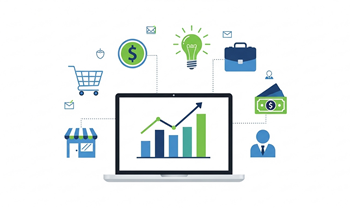 FMI has been leading the conversation on retail media measurement standards as the industry works to solve a clear business challenge. But it is worth understanding what those standards unlock beyond retail media itself: the ability to connect retail media performance with trade promotion management so brands and retailers can finally see omnichannel performance in one place.
Right now, digital marketing teams and category managers operate on different metrics, in different systems, speaking different languages. Retail media networks (RMN) measure ROAS, attribution and household penetration. Trade promotion management (TPM) platforms measure promotional lift, baseline sales impact and return on trade spend. Both are addressing the same question: What is the incremental business impact of this investment? But the data lives in separate systems, and the measurement approaches are not aligned.
That separation costs the industry real money. Brands cannot optimize trade spend across channels when half the performance data is invisible to the other half. And neither side can answer the question every CFO is asking: What is the true incremental return on our total investment?
Test h2: What Changes When RMN and TPM Connect
Both retail media platforms and trade promotion management systems have matured significantly, but inconsistent definitions across retail media networks limit comparability and make it difficult to scale investment. The industry is working toward standardized incrementality measurement for retail media. Trade promotion management platforms already track promotional lift, baseline sales impact and deduction settlement with granular SKU-level data. The gap is not the technology per se. The gap is the lack of standardized measurement and integration.
When those systems connect, category managers and digital marketing teams start working from the same performance dashboard. A promotional end cap supported by sponsored product ads gets measured as one activation, not two separate events. Household-level incrementality becomes the shared currency across all trade channels. And brands can finally reallocate consumer marketing and trade dollars based on unified performance data instead of departmental budgets.
This is not an incremental improvement. This is the difference between optimizing individual tactics and getting ROI across the total spend. Retailers who build this integration will demonstrate value that goes beyond media inventory. They will show brands how to drive measurable growth across the entire shopper journey, with one set of metrics that both the brand's digital and category teams can use.
The Next Frontier for Trade Performance Measurement
Once retail media measurement standards are in place, the next phase is connecting retail media performance to the rest of the trade toolkit. That means retailers and technology vendors working together on interoperability between RMN platforms and TPM systems. And it means category managers, digital marketing teams and CFOs having the same conversation about what drives incremental growth, using the same data.
The industry needs retail media measurement standards. And those standards unlock something bigger than better retail media performance visibility alone. They enable unified trade performance measurement, so every dollar spent (whether it is digital media, in-store promotion or shopper marketing) gets evaluated against the same incrementality benchmark.
That is the opportunity worth working toward. Not just standardized retail media metrics but unified trade performance visibility across every channel.
Continuing the Conversation
This conversation will continue at GroceryLab 2026, where retailers, brands and technology leaders will explore Retail Media 3.0, including measurement standards, in-store media and the next phase of retail media innovation.
 Industry Topics address your specific area of expertise with resources, reports, events and more.
 Our Research covers consumer behavior and retail operation benchmarks so you can make informed business decisions.
 Events and Education including online and in-person help you advance your food retail career.
 Food Safety training, resources and guidance that help you create a company food safety culture.
 Government Affairs work — federal and state — on the latest food industry policy, regulatory and legislative issues.
 Get Involved. From industry awards to newsletters and committees, these resources help you take advantage of your membership.
 Best practices, guidance documents, infographics, signage and more for the food industry on the COVID-19 pandemic.
