96%
Food companies report having a health strategy
77%
Consumers put effort into making healthy food choices
96%
Food companies surveyed have RDNs at the corporate level
Destinations for Health.
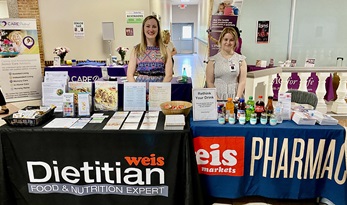
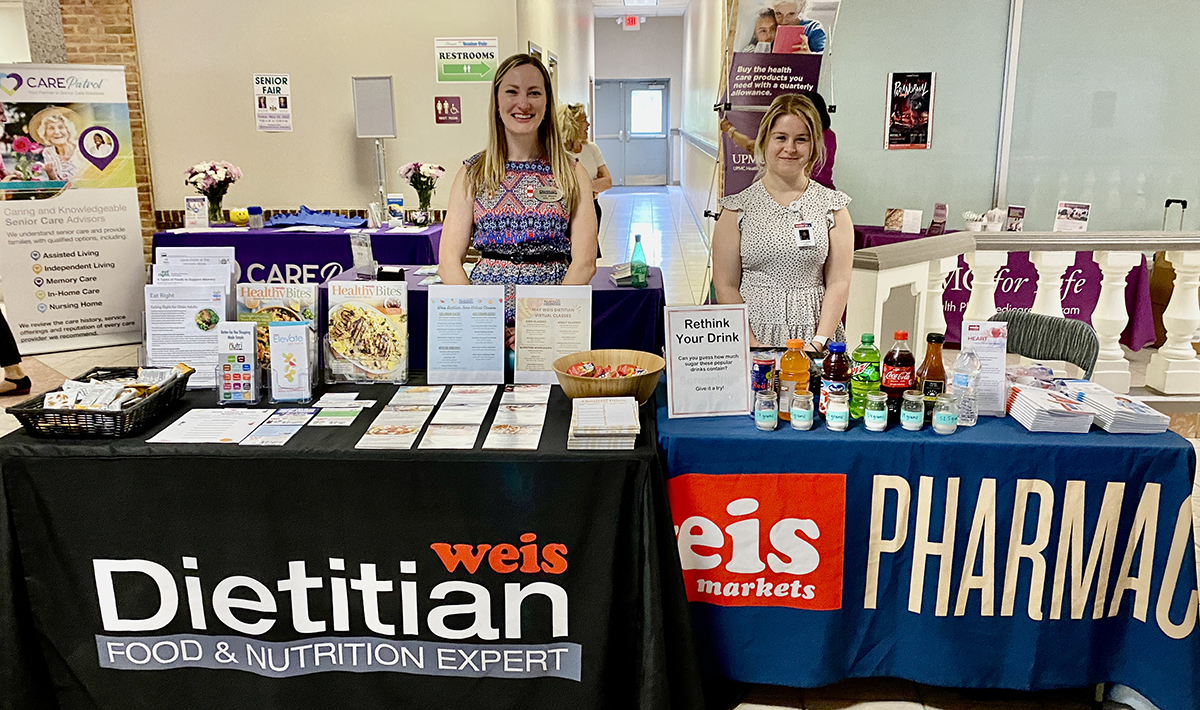
Consumers are seeking personalized support on the path to health, and increasingly, they view grocery stores and product suppliers as partners on their journey. Grocery stores are destinations for health and well-being, offering nutritious and delicious food options, wellness products, along with services like personal nutrition counseling with registered dietitian nutritionists (RDNs), in-store pharmacy health screenings and vaccinations, as well as practical cooking tips and meal inspiration.
Food Industry Contributions to Health and Well-being
In 2012, FMI began conducting surveys to track the evolution of how food retailers are meeting the needs of shoppers seeking healthier lifestyles. In 2024, the survey expanded to include not just food retailers, but also product suppliers, to demonstrate how the food industry is working to protect and improve public health. The 2026 report is now available.

---2024-07-16t162622-046.png?sfvrsn=4e60e910_1 "Untitled (480 x 600 px) - 2024-07-16T162622.046")

How do shoppers define “eating well?”
Shoppers’ ideas about “eating well” are complex and highly personalized, but four key benefit areas stand out: health, entertainment, exploration and convenience. Today’s shoppers are more interested than ever in all aspects of food and nutrition while fine-tuning what they consider “healthy” as they shop for food and beverages. Shoppers view nutritious options as “investments” that pay off, and they are willing to invest in both short- and long-term health.
How does the grocery store serve as a destination for health and well-being?
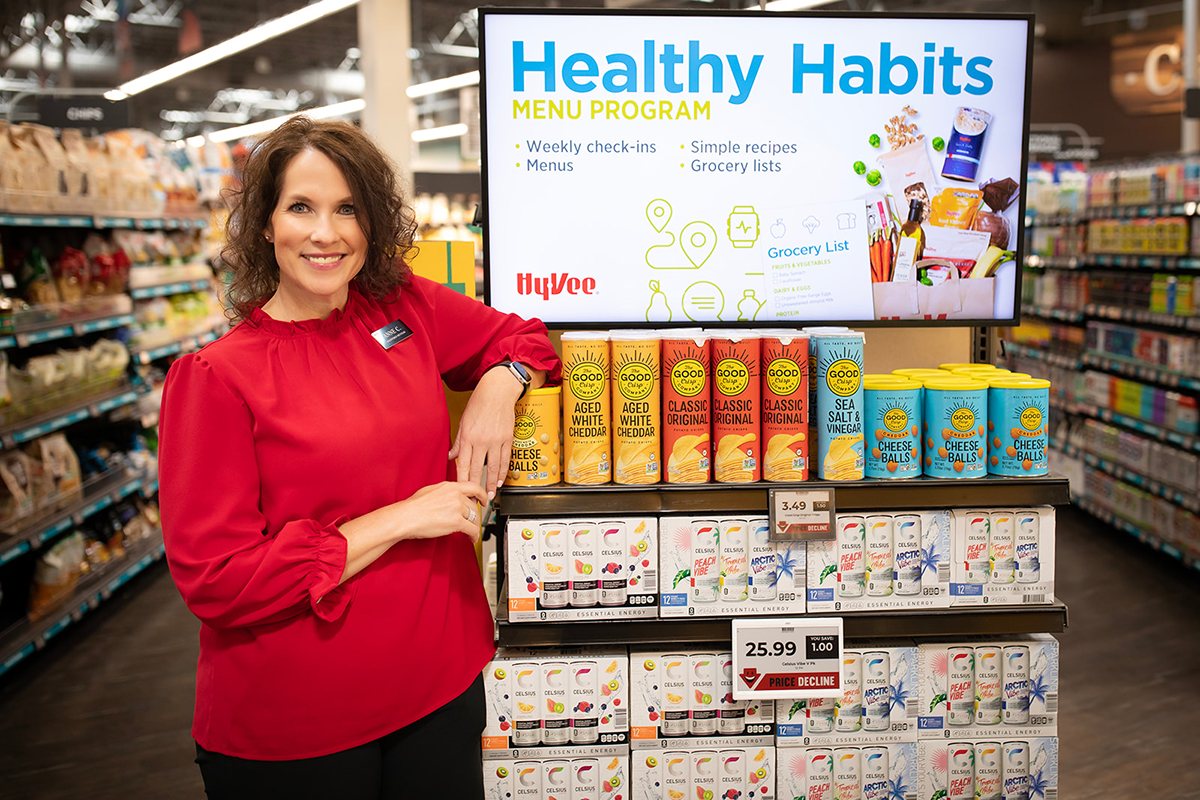
The grocery store is an accessible destination for safe, nutritious and affordable food and beverage choices, wellness products, credible information and health-related services. Consumers are offered practical meal and snack solutions, meaningful guidance, expert advice, and services from registered dietitians and pharmacists, right at the grocery store.
How are retailers and suppliers supporting consumer health goals?
FMI members deliver food and products for health, along with actionable solutions, inspiration, engagement, meal solutions and digital tools. These efforts result in consumer behavior change, simple product swaps, improved health, repeat behavior, motivation and trust in the grocery store to support their personal health journey.
Do food companies employ registered dietitians?
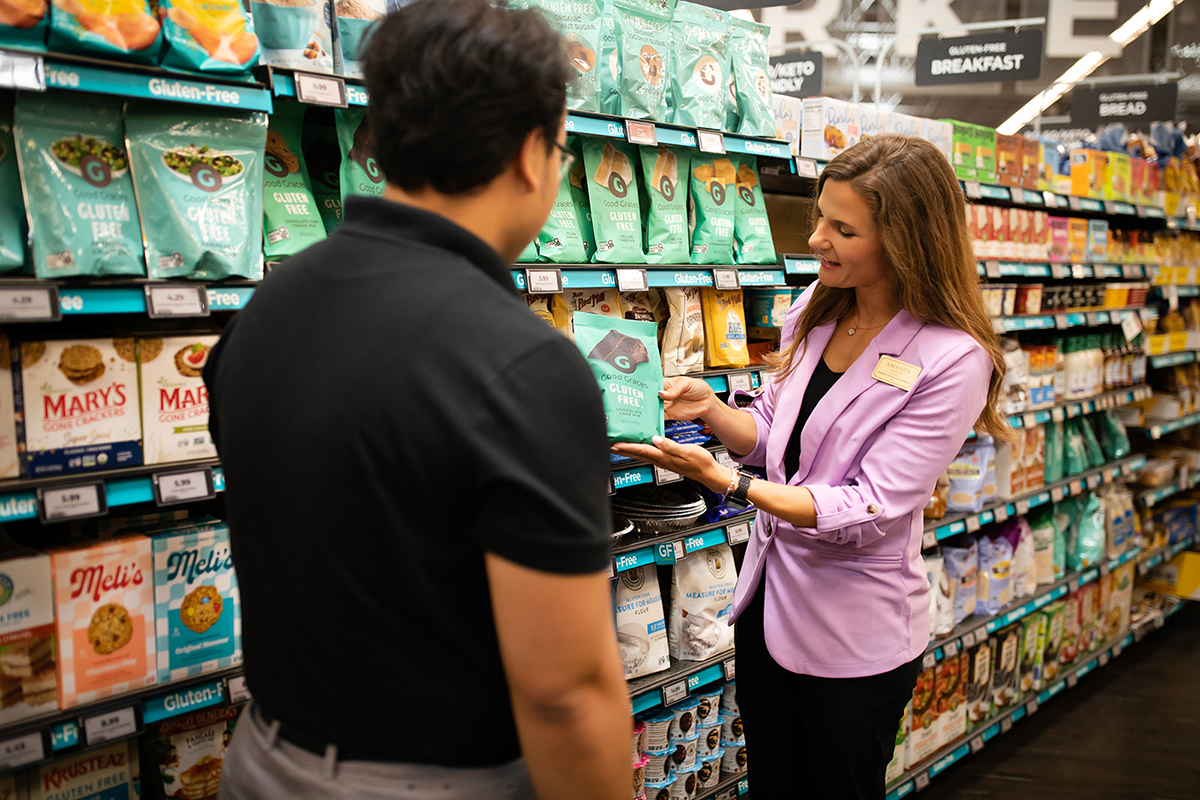
Yes, 96% of responding food industry companies employ registered dietitians at the corporate level. More than half now say their company’s dietitians serve in strategic leadership roles, reflecting an ongoing trend in this direction. Forty-two percent have in-store RDNs or offer virtual access to RDNs for personal nutrition counseling and medical nutrition therapy, guidance and support.
ADDITIONAL QUESTIONS & ANSWERS
Across the industry, registered dietitian nutritionists (RDNs) hold impactful and strategic leadership roles in many areas to include regulatory and labeling, marketing and communications, food safety, ecommerce and digital solutions, as merchants and buyers, with food access and feeding assistance programs, and some hold C-suite level positions.
Source: 2026 Report on Food Industry Contributions to Health and Well-being.
Research from FMI and SPINS found that shoppers’ definition of “healthy” includes nutrient-rich foods with no added sugars and with whole-body benefits. Areas of biggest focus include fruits and vegetables (72% of respondents), protein (57%), no added sugar (53%), and organic and sustainable (36%). The research found that shoppers find including positive healthy attributes (57%) more important than avoiding negative ones (43%).
Registered dietitian nutritionists (RDNs) provide general nutrition education, easy-to-understand messaging, labeling for beneficial attributes and special diet callouts to help consumers seeking to make choices for better health. Dietitian-driven solutions can be found for free on publicly accessible company websites, in-store signage and shelf-tags, on-package symbols, and print and digital resources on food safety, food shopping, and meal preparation. Many retail RDNs offer one-on-one counseling, medical nutrition therapy (MNT) to help consumers manage medical conditions like diabetes, high-blood pressure, obesity and celiac disease. MNT has been shown to positively impact health outcomes.
Source: Protecting and Improving the Health of America: 2025 Report on Food Industry Initiatives.
With shoppers already trusting their primary grocery store as an ally in health, pharmacies and clinics further help retailers underscore their status as health-centered destinations. Eighty-seven percent of retailer respondents said their stores sell health-tracking devices, such as blood pressure cuffs, continuous glucose monitors, and wearable rings to track health metrics. Among retailers selling health-tracking devices, 92% offer related counseling through the pharmacy. Some retailers also offer this type of counseling through retail dietitians (17%) and clinics (8%).
Source: 2026 Report on Food Industry Contributions to Health and Well-being.
The industry advances Food as Medicine through a range of strategies and program models focused on prevention and promotion of health and well‑being, management and treatment of disease, nutrition security and feeding assistance programs, and the promotion of food safety. When Food as Medicine programs are delivered at the grocery store, consumers are personally guided to make healthy lifestyle changes.
The programs that provide food to improve health, such as food prescriptions, incentives and medically tailored meals and food boxes, can be supported by services such as store tours, cooking demos, health classes and even one-on-one counseling with registered dietitians. The combination of Food as Medicine programs and services, right at the grocery store, shows both improved health outcomes for consumers and return on investment for key investors.
Source: 2026 Report on Food Industry Contributions to Health and Well-being.
In early January of 2026, new Dietary Guidelines for Americans (DGAs) 2025-2030 were released. The updated DGAs are intended to provide science-based advice and daily recommendations on food groups and nutrients to encourage and those to limit — all in an effort to support healthy and balanced eating patterns. The Dietary Guidelines serve as recommendations and a reminder to consumers that a balanced diet is all about navigating the grocery store to include protein, dairy, fruits, vegetables, whole grains and healthy fats to plan meals and snacks in a personal way.
Grocery stores offer expert advice, guidance, inspiration and support through registered dietitians to help shoppers make nutritious choices as they shop, prep, cook and eat to meet their own health needs. The Dietary Guidelines present an opportunity to meet consumers where they are and lean into the expertise and guidance of registered dietitians across the industry.
Source: Navigating the New Dietary Guidelines: How the Food Industry is Supporting Shoppers.
Yes. About 75% of responding companies are either currently reformulating products or plan to do so in the next two years. Currently, the top activity cited is removing artificial colors/synthetic dyes. Other top reformulations include reducing sodium, reducing added sugars, and adding protein, fiber, and beneficial ingredients, like whole grains. Most companies are focusing reformulations on a wide range of categories across the store, taking gradual reformulation approaches to avoid overly disruptive changes for consumers.
75% of all responding companies are either currently reformulating products or will be doing so soon to meet customer needs.
89% of those companies will be removing artificial colors or synthetic dyes, 72% reducing sodium, 61% reducing added sugars without use of no-nutritive sweeteners and 56% reducing added sugars by using non‑nutritive sweeteners), and 72% adding beneficial nutrients.
Source: 2026 Report on Food Industry Contributions to Health and Well-being.
Transparency is growing in importance for shoppers. A 2025 FMI survey asked about transparency and defined it as providing detailed information such as what is in food and how it is made. Seventy-seven percent of consumers identified transparency as important, up from 74% the year before and 69% in 2018. Shoppers are highly aware of front-of-pack nutrition labeling, and about two-thirds find it valuable, according to FMI research. Moreover, 67% of respondents said the amount of information provided on front of pack is “just right,” a strong indication that shoppers are pleased with the level of information being provided.
Source: The Power of Health and Well-Being in the Food Industry 2026.
Registered dietitian nutritionists (RDNs) can develop and execute programs to reach consumers with food, nutrition and health messaging delivered both in-store and online — both for preventive purposes and to manage health conditions like diabetes or heart disease.
In 2025, FMI created a new “Day in the Life of…” video series to showcase the unique roles and responsibilities that registered dietitians hold across the food industry. One video features the work of Stacey Loftus, RD, LD, who brings her dietitian skills to her job as E-Commerce Supervisor at Hy-Vee. In this role, Stacey navigates the world of online shopping to help consumers plan ahead to make personal choices and put balanced family meals on the table.
Many registered dietitian nutritionists (RDNs) employed by retailers work directly with culinary professionals across the food industry to advise on nutrition and health solutions in foodservice. Sixty percent of food industry respondents said their companies employ a chef or culinary professional at the corporate level. Eighty-seven percent said culinary professionals work in all stores, and 40% said at some stores. Respondents relayed how dietitians are involved with culinary teams. Sixty-eight percent develop recipes based on nutrition criteria, and 47% develop meal solutions based on nutrition criteria.
Source: 2026 Report on Food Industry Contributions to Health and Well-being.
Registered dietitian nutritionists (RDNs) are growing their work with other health professionals working in the food industry, according to the research findings. They collaborate the most with the following professionals: registered nurses, physician assistants, nurse practitioners, health coaches, medical doctors and integrated physicians.
Source: 2026 Report on Food Industry Contributions to Health and Well-being.
Blog Posts