Crisis Management
FMI cannot prevent a crisis from happening, but we can help our members and partners manage crises before and after they occur, whether it is a natural disaster, a gun violence incidence, fraud or product recall.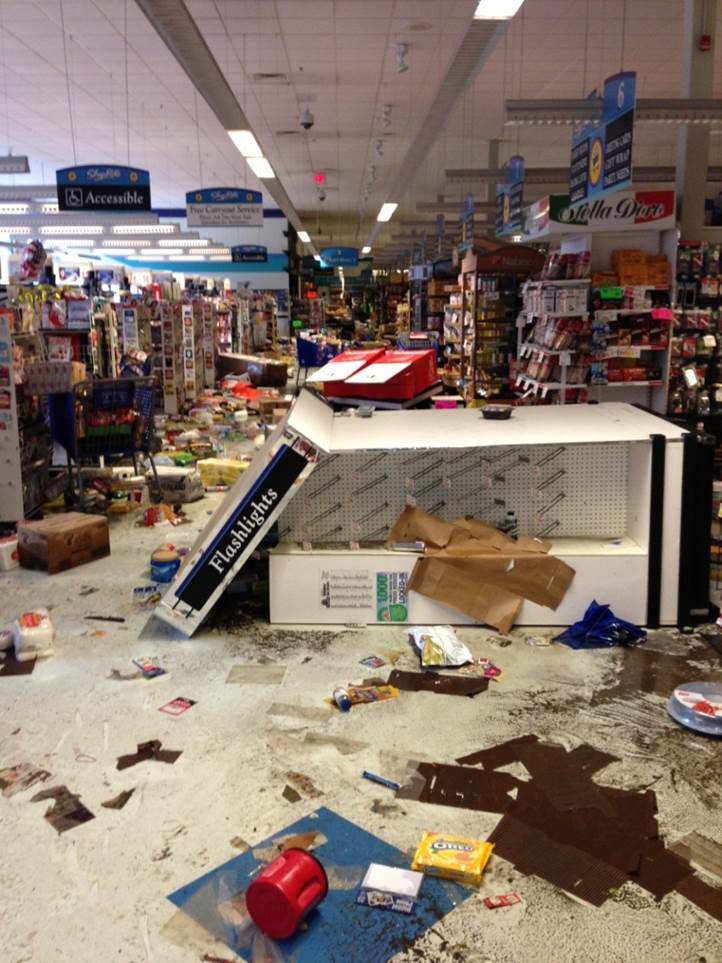
Crisis Resources
The following resources can assist you during a crisis. Plan ahead and secure these resources now.
Stay Informed
- National Business Emergency Operations Center – NBEOC – Dashboard– FEMA's virtual clearinghouse for two-way information sharing between public and private sector stakeholders in preparing for, responding to, or recovering from disasters (Enter as “Guest”)
Storm Central
- All Hazards Consortium - A regularly updated storm center webpage for executive and operational decision makers across multiple states and industries producing results in disaster management.
Food Assistance Information (SNAP & D-SNAP)
- USDA FNS Food Assistance for Disaster Relief - Updates from USDA FNS on disaster areas that are granted SNAP replacements, D-SNAP and other services.
Food Safety
- Food Safety in a Disaster or Emergency - Foodsafety.gov has information to share with consumers on how to keep food safe before, during, and after emergencies, such as floods, fires, natural disasters, or the loss of power.
Supply Chain Assistance
- American Logistics Aid Network - Industry-wide organization that exists to provide supply chain assistance to disaster relief organizations (and other non-profits).
- Commercial Routing Assistance - Latest information relevant to commercial organizations and drivers, state transportation officials and regulators, federal transportation officials and regulators, and trade associations who rely upon continuous vehicle movement to meet their mission.
Cybersecurity at the State Level
Security Breach Notification Chart - Perkins Coie's Privacy & Security practice maintains a comprehensive chart that summarizes state laws regarding security breach notification. The chart is for informational purposes only and is intended as an aid in understanding each state's unique security breach notification requirements. Lawyers, compliance professionals, and business owners may find this chart helpful when preparing for and responding to data breaches.
Crisis Management Blog Posts
Policy Statements
Our current Board approved policy statement on this topic:

FMI Violence Preparedness Committee
The FMI Violence Preparedness Committee comes together in a non-competitive environment to share information and best practices.
FMI Crisis Management Resources
FMI Crisis Management Guide: Civil Unrest
Cybersecurity Guide 2024
Active Assailant Preparedness and Response Checklist
Active Assailant Preparedness and Response Guide for the Food Retail Industry
Food Defense Guideline
FMI Crisis Management Guide: De-Escalation
FMI Crisis Communications Guide
Natural Disaster Guideline
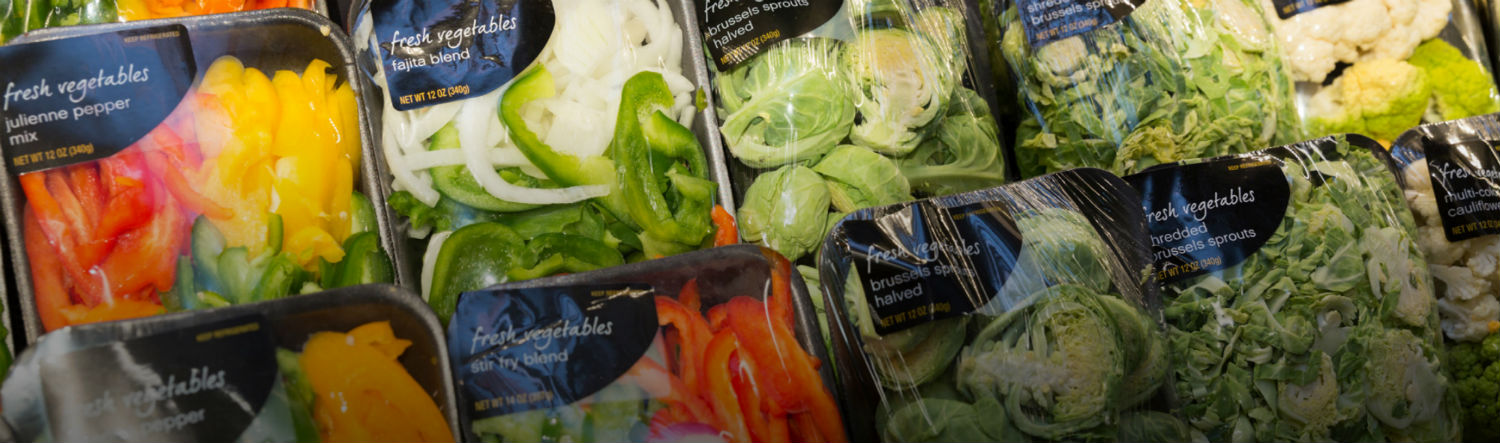

FMI's crisis management services include:
- Acting as a liaison with federal agencies during times of crisis
- Crisis guidelines regarding natural disasters, active shooters, communications and food recalls
- Experts in asset protection and safety available for consultation
- After-action advisory groups to debrief and improve processes
- Tools for dealing specifically with cyberattacks on business processes
- Advisory board membership for the Retail Cyber Intelligence Sharing Center (R-CISC)
- Real-time information during federally declared states of emergency and product recalls
 Industry Topics address your specific area of expertise with resources, reports, events and more.
 Our Research covers consumer behavior and retail operation benchmarks so you can make informed business decisions.
 Events and Education including online and in-person help you advance your food retail career.
 Food Safety training, resources and guidance that help you create a company food safety culture.
 Government Affairs work — federal and state — on the latest food industry policy, regulatory and legislative issues.
 Get Involved. From industry awards to newsletters and committees, these resources help you take advantage of your membership.
 Best practices, guidance documents, infographics, signage and more for the food industry on the COVID-19 pandemic.
© FMI All rights reserved.
Website design by Matrix Group International, Inc. ®
