Grocery stores are destinations for health and well-being and offer affordable access to food, as well as access to registered dietitian nutritionists and pharmacies.
By: Krystal Register, MS, RDN, LDN, Vice President, Health & Well-being, FMI
During National Nutrition Month®, an annual campaign created by the Academy of Nutrition and Dietetics to foster greater awareness around the importance of food choice in support of our overall health, I’m reminded just how 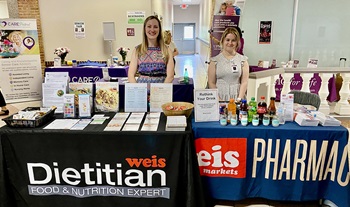 uniquely the food industry is aligned to support consumers seeking to prioritize nutrition to improve their health, enhance food access and empower shoppers to make healthy choices, both online and in-store.
FMI members deliver not only food and products for health, but also actionable solutions, inspiration, expert advice, information, meal planning assistance and technology support. These efforts lead to simple swaps, improved health, motivation, repeat behavior change and trust in a primary food store that supports their personal health journey.
FMI’s recently released 2026 Report on Food Industry Contributions to Health & Well-Being highlights just how robustly the industry continues to prioritize providing “one-stop-shop" affordable access for consumers looking to meet a dynamic set of health goals, no matter what those may look like. In fact, 90% of food industry companies surveyed by FMI already offer personalized nutrition education programs such as classes, store tours, health screenings and one-on-one medical nutrition therapy and counseling.
Grocery Stores Offer Affordable Access
Grocery stores are already particularly unique in that – unlike any other retail destination – they provide affordable access to products, people, information and services that support consumers’ whole health goals all in one place. One trip to the grocery store can meet the varied needs of multiple household members in a single cart or basket.
Grocery Stores Offer Access to Registered Dietitian Nutritionists (RDNs)
In addition to providing access to nutritious food, FMI’s reporting found 43% of grocery stores have in-store registered dietitian nutritionists (RDNs) or offer virtual access to RDNs, which, among other services, can provide personal nutrition counseling and medical nutrition therapy, guidance and support.
Many Grocery Stores Have Pharmacies
More than a quarter of all supermarkets in the U.S. also have in-house pharmacies, providing convenience for shoppers looking to pick up medications and get vaccines at the same location where they shop for groceries. Pharmacists serve as accessible health care professionals, offering clinical consultations, medication management, and increasingly, navigation for complex therapies like GLP-1 medications. RDNs work closely with pharmacists to translate nutrition science into practical, personalized guidance.
Access to both nutritious choices and professional support is what makes our grocery stores true partners in meeting every shopper where they are on their health journey. This National Nutrition Month®, consumers should remember that making a difference in their health can really be as simple as stopping by the grocery store.
Learn More on our Grocery Health Hubs Site Industry Topics address your specific area of expertise with resources, reports, events and more.
 Our Research covers consumer behavior and retail operation benchmarks so you can make informed business decisions.
 Events and Education including online and in-person help you advance your food retail career.
 Food Safety training, resources and guidance that help you create a company food safety culture.
 Government Affairs work — federal and state — on the latest food industry policy, regulatory and legislative issues.
 Get Involved. From industry awards to newsletters and committees, these resources help you take advantage of your membership.
 Best practices, guidance documents, infographics, signage and more for the food industry on the COVID-19 pandemic.
