Shoppers’ budgeting choices reveal how control, comfort, and technology intersect in the grocery experience, offering retailers a roadmap for deeper engagement.
By: Olivia Dale, Assistant, Research & Insights, FMI
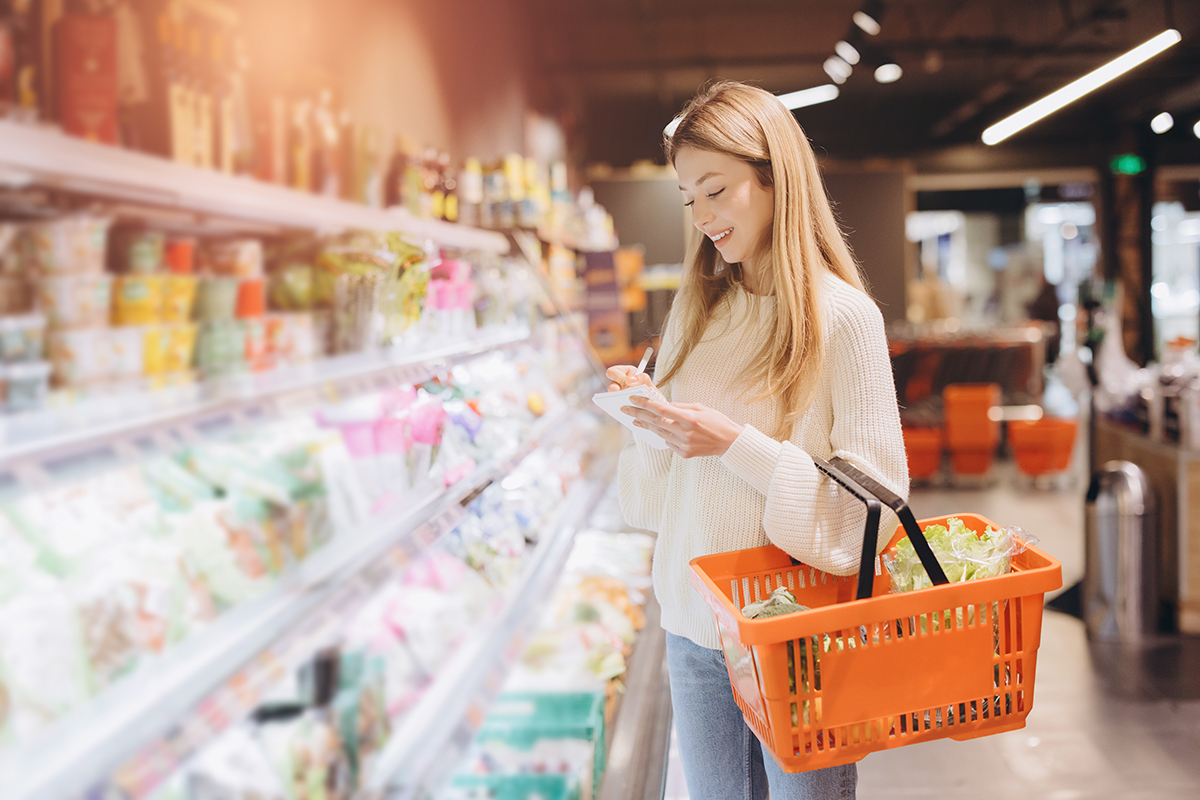
The night before I plan to go grocery shopping, I log into my primary store’s app and look at one aspect of every item I intend to buy: the price. I don’t choose ingredients based on price, but I do write down, with pen and paper, what each item costs. After shopping the next morning, I compare my receipt to that list to make sure I’m staying on track with my financial goals and personal budget.
Pen and paper still prevail
It turns out that working at FMI doesn’t make me unique. I’m much like millions of other grocery shoppers. According to FMI’s U.S. Grocery Shopper Trends 2025, 34% of shoppers still use pen and paper to budget, making it the most common budgeting tool. Women are especially likely to use this method, with 37% reporting they use a notebook or paper ledger, compared to 31% of men.
Digital tools gain ground
While pen and paper remain popular, digital tools are gaining traction. Thirty-two percent of shoppers now use an app on their phone or computer to budget. These tools are especially common among Millennials (41%) and Gen Zers (54%), showing a clear generational shift toward tech-enabled budgeting.
For food retailers, this shift presents a valuable opportunity. Enhancing store apps with budgeting features could help meet the expectations of younger, digitally engaged shoppers and improve the overall shopping experience.
Finding balance through budgeting
Nearly 95% of grocery shoppers have some level of budgeting responsibility. Their top reasons for budgeting include staying roughly in line with what they should be spending (45%), making ends meet (43%), and ensuring they have disposable income for fun things (36%).
Writing my weekly grocery budget down helps me stay on track. It’s not about being strict with every dollar, but about feeling a sense of control. Sometimes I skip an indulgence and other times I treat myself to something special. Whether it’s a cake to celebrate a milestone, a new flavor that brings global inspiration home or some pre-cut produce that adds healthful convenience, the comfort comes not just from the purchase, but from knowing I made a thoughtful decision aligned with my priorities.
This kind of budgeting behavior reflects a broader trend: shoppers are looking for ways to feel secure and confident in how they spend. While 75% of shoppers feel in control of their finances for food from grocery stores, there is still room to grow. Retailers who recognize and support this mindset have an opportunity to build deeper trust and stronger relationships with their customers.
In addition to exploring the four primary purchase drivers — Health, Entertainment, Exploration, and Convenience — this year’s U.S. Grocery Shopper Trends report takes a closer look at how and why shoppers budget.
 Industry Topics address your specific area of expertise with resources, reports, events and more.
 Our Research covers consumer behavior and retail operation benchmarks so you can make informed business decisions.
 Events and Education including online and in-person help you advance your food retail career.
 Food Safety training, resources and guidance that help you create a company food safety culture.
 Government Affairs work — federal and state — on the latest food industry policy, regulatory and legislative issues.
 Get Involved. From industry awards to newsletters and committees, these resources help you take advantage of your membership.
 Best practices, guidance documents, infographics, signage and more for the food industry on the COVID-19 pandemic.
