Frozen foods have evolved from a backup option into a foundational retail growth engine as more shoppers rely on them for everyday meal planning due to their value, convenience, nutrition and ability to reduce food waste.
By: Steve Markenson, Vice President, Research & Insights, FMI
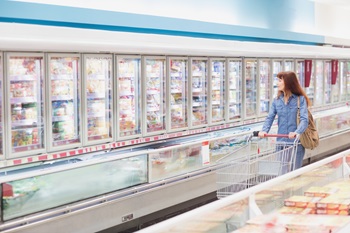 Frozen foods have moved decisively from a secondary option to one of the core drivers of retail performance. New insights from the 2026 Power of Frozen in Retail Report show the category has evolved into a meal‑planning essential, fueled by value, trust, and versatility that resonate with today’s shoppers.
Nearly all U.S. households purchased frozen foods at least once in the past year, and shoppers are engaging with the category more frequently. Forty percent of consumers now use frozen foods every few days or daily, up from 35% in 2019, signaling a meaningful shift in behavior rather than a short‑term response to economic pressure.
Sales performance underscores that momentum. Annual frozen food sales have risen by $27.4 billion compared with 2019, supported by both increased demand and inflation‑driven growth. Unit sales are also higher, with 729 million more units sold annually than in 2019, reflecting sustained consumption rather than pantry loading alone.
Shoppers increasingly view frozen foods as a solution across meal occasions, particularly dinner and snacking. Frozen fruits and vegetables and frozen proteins drove much of the recent dollar and unit growth, reinforcing the category’s role in helping shoppers manage cost, reduce food waste and simplify preparation without sacrificing quality.
Trust plays a growing role in the category’s success. Consumers report rising confidence in the nutrition, quality and safety of frozen foods, helping shift perceptions from “last‑minute backup” to reliable, everyday option. At the same time, economic pressure continues to shape behavior, with shoppers comparing prices across stores and formats and buying slightly smaller baskets more often to manage spending.
For retailers, the opportunity lies in meeting shoppers where frozen already fits naturally into their routines. Integrated fresh‑and‑frozen merchandising, clear value communication and inspiration tied to global cuisines and simple meal solutions can help deepen engagement. Seven in ten shoppers say they occasionally or frequently look for new frozen items, signaling strong appetite for innovation and discovery.
As frozen foods become increasingly embedded in how consumers plan, shop for and prepare meals, the category’s role in retail is clear. Frozen is no longer just resilient. It is foundational.
 Industry Topics address your specific area of expertise with resources, reports, events and more.
 Our Research covers consumer behavior and retail operation benchmarks so you can make informed business decisions.
 Events and Education including online and in-person help you advance your food retail career.
 Food Safety training, resources and guidance that help you create a company food safety culture.
 Government Affairs work — federal and state — on the latest food industry policy, regulatory and legislative issues.
 Get Involved. From industry awards to newsletters and committees, these resources help you take advantage of your membership.
 Best practices, guidance documents, infographics, signage and more for the food industry on the COVID-19 pandemic.
