


Align with Consumer Habits and Drive Larger Basket Sizes
By: Tom Duffy, Senior Advisor, Nonfoods Community Development, FMI
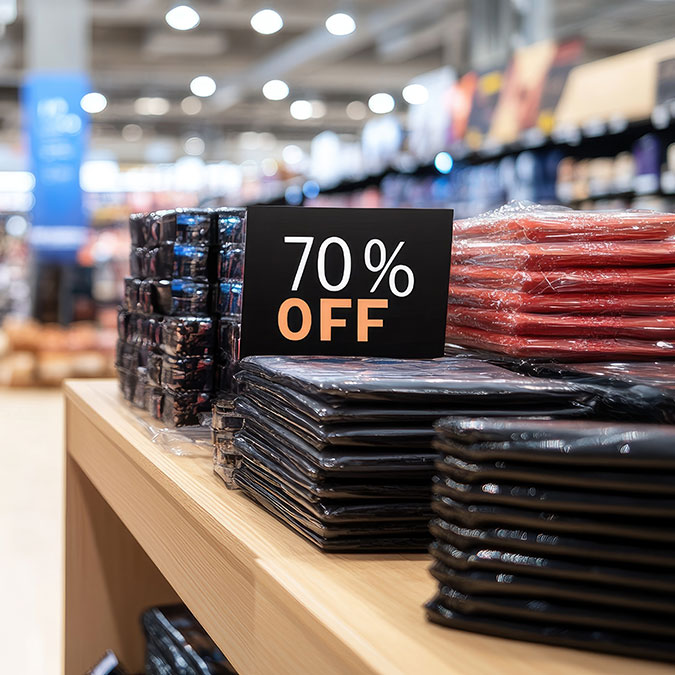
Seasonal merchandising is a powerful way for grocery stores to attract more customers, increase sales and create a dynamic shopping experience. By planning ahead and offering relevant products during key times of the year, grocers can set themselves apart and build loyalty. Here's why seasonal merchandising is a smart strategy for any grocer.
First, seasonal merchandising taps into the natural shopping habits of consumers. Whether it's stocking up for a summer barbecue, preparing for a holiday feast or purchasing back-to-school supplies, customers often turn to their grocery store to buy both food and nonfood items. General merchandise, such as beach chairs or Easter baskets, complements grocery purchases and drives larger basket sizes. These nonfoods items create a seamless experience for shoppers who appreciate the convenience of getting everything in one place.
Increase Impulse Purchases with Strategic Displays
Well-executed seasonal displays can lead to a surge in impulse buys. Approximately 52% of general merchandise purchases are made on impulse, and strategically positioned seasonal products can further encourage this behavior. When grocery stores plan ahead and incorporate visually attractive displays, they can capture the attention of customers and inspire them to buy items they hadn't planned to purchase. Thoughtfully positioned displays of seasonal items make the store feel fresh, timely and relevant. The spring and summer seasons generate significant sales of general merchandise in grocery and grocers should take advantage of the natural tie-ins to food categories throughout the store to build shopper baskets.
Create a Sense of Urgency with Limited-Time Products
Grocers can also benefit from creating a sense of urgency around seasonal merchandise. Products like patio furniture, grilling accessories and holiday-themed décor are often perceived as limited-time offerings, prompting customers to buy before they miss out. This urgency can lead to increased foot traffic, as shoppers make special trips to pick up items that are only available for a short period.
Stand Out from Competitors with Unique Offerings
Seasonal merchandising can set a store apart from competitors. As highlighted in Far East Brokers' insights, Doug Craig Vice President, Global Data & Analytics shared “Grocery stores are ideally positioned to accelerate sales of general merchandise. When approached strategically, general merchandise can drive sales in other aisles in the grocery store”. By offering exclusive or unique seasonal products, grocery stores can position themselves as a go-to destination for customers looking for the full experience of a holiday or event. A well-executed seasonal merchandising strategy not only brings in additional revenue but also strengthens customer loyalty by showing that the store is attuned to their needs year-round.
With the right seasonal merchandising strategy, grocers can boost sales, increase customer engagement and build brand loyalty. Thoughtful planning, creative displays and a strong selection of seasonal products can transform a store's performance and make it a destination for holiday and event shopping year-round. Seasonal merchandising is a powerful tool for grocers to boost sales, engage customers and stay competitive. With the right planning and execution, it can transform the shopping experience and drive significant returns.
For more insights into shopper behaviors, basket-level data, a guide for space planning and merchandising schedule, download the new FMI Nonfoods Category Insights: Build Shopper Baskets with Spring/Summer Seasonal General Merchandise.
 Industry Topics address your specific area of expertise with resources, reports, events and more.
 Our Research covers consumer behavior and retail operation benchmarks so you can make informed business decisions.
 Events and Education including online and in-person help you advance your food retail career.
 Food Safety training, resources and guidance that help you create a company food safety culture.
 Government Affairs work — federal and state — on the latest food industry policy, regulatory and legislative issues.
 Get Involved. From industry awards to newsletters and committees, these resources help you take advantage of your membership.
 Best practices, guidance documents, infographics, signage and more for the food industry on the COVID-19 pandemic.
