FMI explores how smart in-store digital experiences are shaping the next phase of shopper engagement, in a conversation with industry leader Chad Peterson.
By: Doug Baker, Vice President, Industry Relations, FMI
 I have spent my career watching grocery retail adapt to new tools, new expectations, and new definitions of convenience. Few areas have moved as quickly, or as unevenly, as digital engagement.
Recently, I talked with Chad Peterson, Sr. Vice President, Digital + eCommerce, of Lowes Food, as part of FMI Speaks: Essential Industry Insights. We discussed candidly what is actually working in ecommerce today, where retailers have been out of step, and why the next phase of digital growth will be shaped both inside and outside the store.
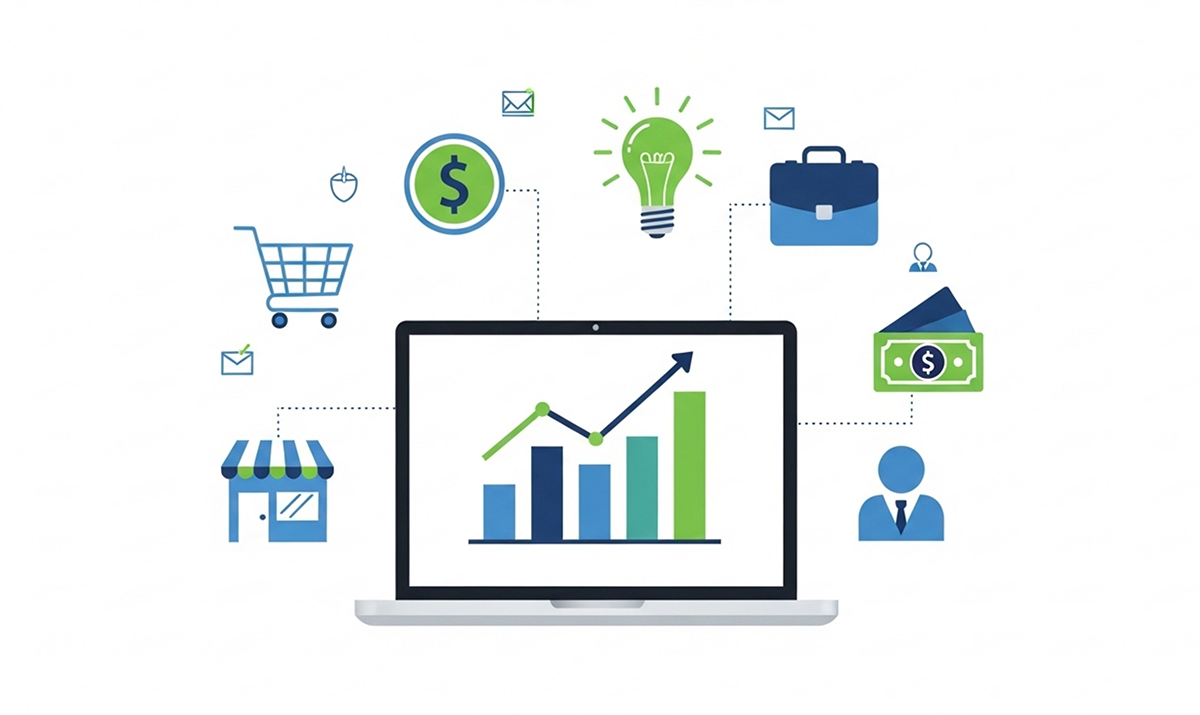
One point from our discussion stood out: digital success in grocery rarely comes from chasing the newest platform. It comes from solving a real shopper's problem and then executing consistently. Retailers that have made progress tend to focus on fundamentals such as search, fulfillment accuracy, personalization, retail media, and clear value communication. Retailers that struggle often overinvest in complexity before the basics are sound.
In-Store Digital Experiences
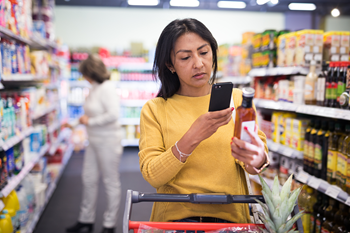
Digital engagement among grocery shoppers continues to grow, yet the path forward is not strictly between ecommerce and brick-and-mortar. Chad shared examples where in-store digital experiences strengthened loyalty and basket size. Smart use of mobile apps, digital shelf tags, scan-and-learn content, retail media, and personalized offers can enhance the physical trip rather than distract from it. Grocery remains a tactile and trust-driven industry, so digital solutions work best when they support confidence and clarity at the shelf.
Experimentation Mindset
Another theme was discipline around experimentation. Not every pilot deserves to scale. Leading retailers test quickly, measure honestly, and move on when results disappoint. That mindset protects capital and keeps teams focused on shopper value rather than novelty. Digital maturity looks less like constant reinvention and more like steady refinement.
What’s Next
Looking ahead, ecommerce will continue to evolve toward hybrid models that blend pickup, delivery, and in-store engagement. Investments will follow shopper behavior, not headlines. Retailers and suppliers alike are investing significant resources in data infrastructure, automation, cybersecurity, and shopper-facing tools that unify channels into a seamless experience.
FMI exists to help the industry navigate these choices with shared learning rather than isolated trial and error. We are rolling out free online learning modules for retailer media and are also working collaboratively on industry measurement standards for retailer media KPIs.
For those looking to go deeper, I encourage three next steps:
- Watch the on-demand FMI Speaks interview with Chad Peterson on ecommerce to hear practical insights directly from the field.
- Review the investments food retailers and suppliers are making in The FMI State of Technology 2025 Report to benchmark priorities and spending.
- Consider attending GroceryLab, where digital, physical, and cultural transformation come together through real-world case studies and peer discussion.
Digital potential in grocery is real. Progress comes from aligning technology with how shoppers actually shop, both online and in-store.
 Industry Topics address your specific area of expertise with resources, reports, events and more.
 Our Research covers consumer behavior and retail operation benchmarks so you can make informed business decisions.
 Events and Education including online and in-person help you advance your food retail career.
 Food Safety training, resources and guidance that help you create a company food safety culture.
 Government Affairs work — federal and state — on the latest food industry policy, regulatory and legislative issues.
 Get Involved. From industry awards to newsletters and committees, these resources help you take advantage of your membership.
 Best practices, guidance documents, infographics, signage and more for the food industry on the COVID-19 pandemic.
