WASHINGTON, D.C. — More than 200 supermarket industry CEOs and senior executives, representing nearly every state from across the U.S., rallied on Capitol Hill to discuss federal policies affecting their businesses at the annual Day in Washington fly-in. Food retail and supermarket operator members from the Food Marketing Institute (FMI), the National Grocers Association (NGA), and the Food Industry Association Executives (FIAE) met with lawmakers to discuss the increased market competition and transparency brought by debit swipe fee reform and reforming the tax code in a way that restores predictability and stimulates capital investment.
“The grocery industry is hyper-competitive, with stores competing for customers on price, quality and service every day and averaging a narrow 1.9% profit margin every year. Debit reforms have saved customers over $30 billion since 2010,” said Leslie Sarasin, president and CEO, FMI. “Debit reforms brought transparency and predictability to the cost of accepting debit cards. Repealing these reforms would be an expensive step in the wrong direction.”
“As Congress prepares to consider tax reform legislation it’s important for the decision makers in Washington to hear directly from their main street supermarkets regarding the need for comprehensive tax reform,” said Peter J. Larkin, president and CEO, NGA. “Advocating for commonsense legislative policies, such as simplifying the tax code and achieving parity between pass-through companies and C-corps, and eliminating the death tax for family-owned businesses are important to our members so they can focus on expanding their business, creating more jobs, and boosting local economies.” Industry Topics address your specific area of expertise with resources, reports, events and more.
 Our Research covers consumer behavior and retail operation benchmarks so you can make informed business decisions.
 Events and Education including online and in-person help you advance your food retail career.
 Food Safety training, resources and guidance that help you create a company food safety culture.
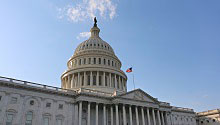 Government Affairs work — federal and state — on the latest food industry policy, regulatory and legislative issues.
 Get Involved. From industry awards to newsletters and committees, these resources help you take advantage of your membership.
 Best practices, guidance documents, infographics, signage and more for the food industry on the COVID-19 pandemic.
