“Estate tax repeal presents an excellent example of the benefits,” he said, citing recent research that shows continuing this tax would cost family businesses half a trillion dollars over the next decade. The cost includes excess life insurance premiums, estate tax planning fees and payments for the tax itself, according to The Federal Estate Tax: An Analysis of Three Prominent Issues, a study prepared by the CONSAD Research Corporation for FMI.
“That half a trillion dollars is money that otherwise could be reinvested in family businesses in every community in America,” Hammonds said, “Draining investment capital through the Death Tax stifles growth, kills jobs and destroys family businesses, inflicting even more economic damage than the number indicates.
“The Death Tax doesn’t affect just a few wealthy estates. It affects every family business in America, forcing them to pay life insurance premiums and estate planning fees that public companies do not have to pay. This is unfair and unnecessary. Putting that money to productive use would provide an immediate stimulus to the U.S. economy.
Strong Case for Speeding Up Estate Tax Repeal
“This makes a strong case for accelerating repeal of the estate tax,” now proposed to be phased out by 2011. “As pleased as we are with the Senate action, the job is not yet finished. We now urge the House-Senate conferees to speed up repeal in the final tax-cut package.” A conference committee is scheduled to begin work later this week.
 Industry Topics address your specific area of expertise with resources, reports, events and more.
 Our Research covers consumer behavior and retail operation benchmarks so you can make informed business decisions.
 Events and Education including online and in-person help you advance your food retail career.
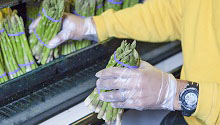 Food Safety training, resources and guidance that help you create a company food safety culture.
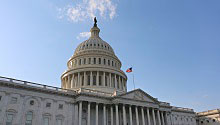 Government Affairs work — federal and state — on the latest food industry policy, regulatory and legislative issues.
 Get Involved. From industry awards to newsletters and committees, these resources help you take advantage of your membership.
 Best practices, guidance documents, infographics, signage and more for the food industry on the COVID-19 pandemic.
