
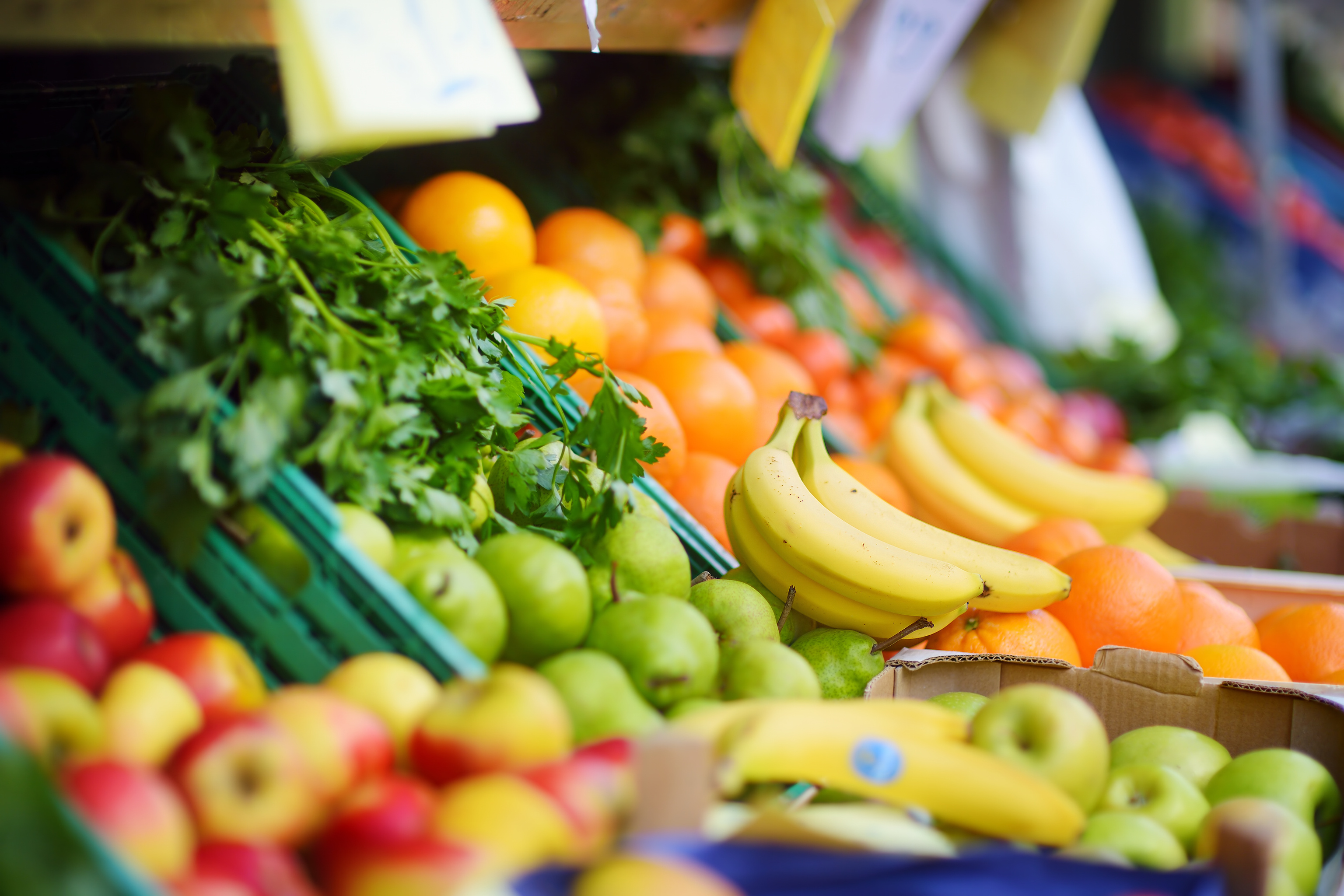
The food industry’s top food safety priorities for 2026 include traceability, produce safety, chemical safety, and sanitation and environmental controls.
By Ashley Eisenbeiser, Vice President, Food and Product Safety Programs, FMI
The food industry places food safety at the center of its work to protect consumers and uphold trust across the supply chain. Within that commitment, the FMI food safety community is united in creating the safest food system possible through processes rooted in trust and collaboration. We work together to develop practical, forward‑looking solutions to some of the industry’s most significant challenges.
FMI members recently came together ahead of the Midwinter Executive Conference to identify food safety priorities that will guide the year. The group identified four areas that will shape FMI’s work in 2026: traceability, produce safety, chemical safety, and sanitation and environmental controls. Efforts across these priorities will focus on strengthening industry readiness, modernizing systems, deepening collaboration and supporting members as they navigate an increasingly complex food safety landscape.
Traceability
While the three-year extension to the compliance date for the Traceability Rule is helpful − giving the industry additional time to implement a more sustainable solution − the rule remains complex. The requirements of the rule continue to present significant challenges for the food industry. We collectively share the agency’s commitment to enhancing traceability, but it must be done right. FMI members will continue working on solutions for overcoming the many challenges of the overly complex rule. As part of this, industry collaboration will remain essential for implementation and compliance. FMI will continue to ensure members have the necessary resources to support their efforts. FMI’s resources related to the final rule are comprehensive and are available on the FMI Traceability webpage on the FSMA Resource Portal.
Produce Safety
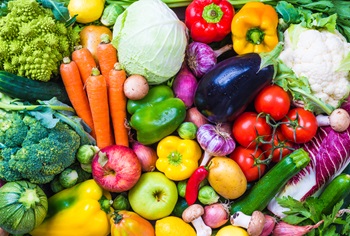
Produce safety remains a top concern for FMI members following the number of outbreaks involving produce in recent years. Recognizing that safe produce is essential to encouraging healthy dietary patterns, FMI members are committed to sourcing and delivering safe fruits and vegetables. This year, FMI members will continue work to elevate prevention through best practices, partnerships and deeper engagement with regulatory agencies, scientists and academia, and the produce industry.
Chemical Safety
The food ingredient landscape continues to rapidly evolve. Chemicals in the food supply—both naturally occurring and intentionally added, including colors and other additives—are drawing heightened attention from food regulators and consumers alike. Even more states across the country are taking action to limit or phase out heavy metals and certain ingredients. Likewise, FDA is prioritizing the post-market assessment of chemicals in the food supply.
This year’s efforts will focus on bringing clarity to the ever-evolving expectations around additives, colors, General Recognized as Safe (GRAS), state‑level requirements and FDA’s Closer to Zero initiative. FMI will continue to advocate for a post-market assessment system that is based on sound science that prioritizes chemicals and additives based on public health risk.
Sanitation and Environmental Controls
A series of high‑profile food safety incidents in recent years—produce, ready-to-eat foods and infant formula—underscore the importance of robust sanitation practices and environmental controls in preventing contamination and ensuring safe production environments. This year will focus on elevating the important role of robust sanitation and monitoring programs, implementation of preventive measures and making necessary program enhancements to strengthen food safety systems and reduce future risk.
Each of these priorities reflects how the industry is working to advance food safety, protect public health and enhance consumer trust in the food they consume every day. As we take on these complex issues in 2026, new challenges and opportunities will undoubtedly emerge, but the industry’s dedication to food safety will remain unwavering.
 Industry Topics address your specific area of expertise with resources, reports, events and more.
 Our Research covers consumer behavior and retail operation benchmarks so you can make informed business decisions.
 Events and Education including online and in-person help you advance your food retail career.
 Food Safety training, resources and guidance that help you create a company food safety culture.
 Government Affairs work — federal and state — on the latest food industry policy, regulatory and legislative issues.
 Get Involved. From industry awards to newsletters and committees, these resources help you take advantage of your membership.
 Best practices, guidance documents, infographics, signage and more for the food industry on the COVID-19 pandemic.
